
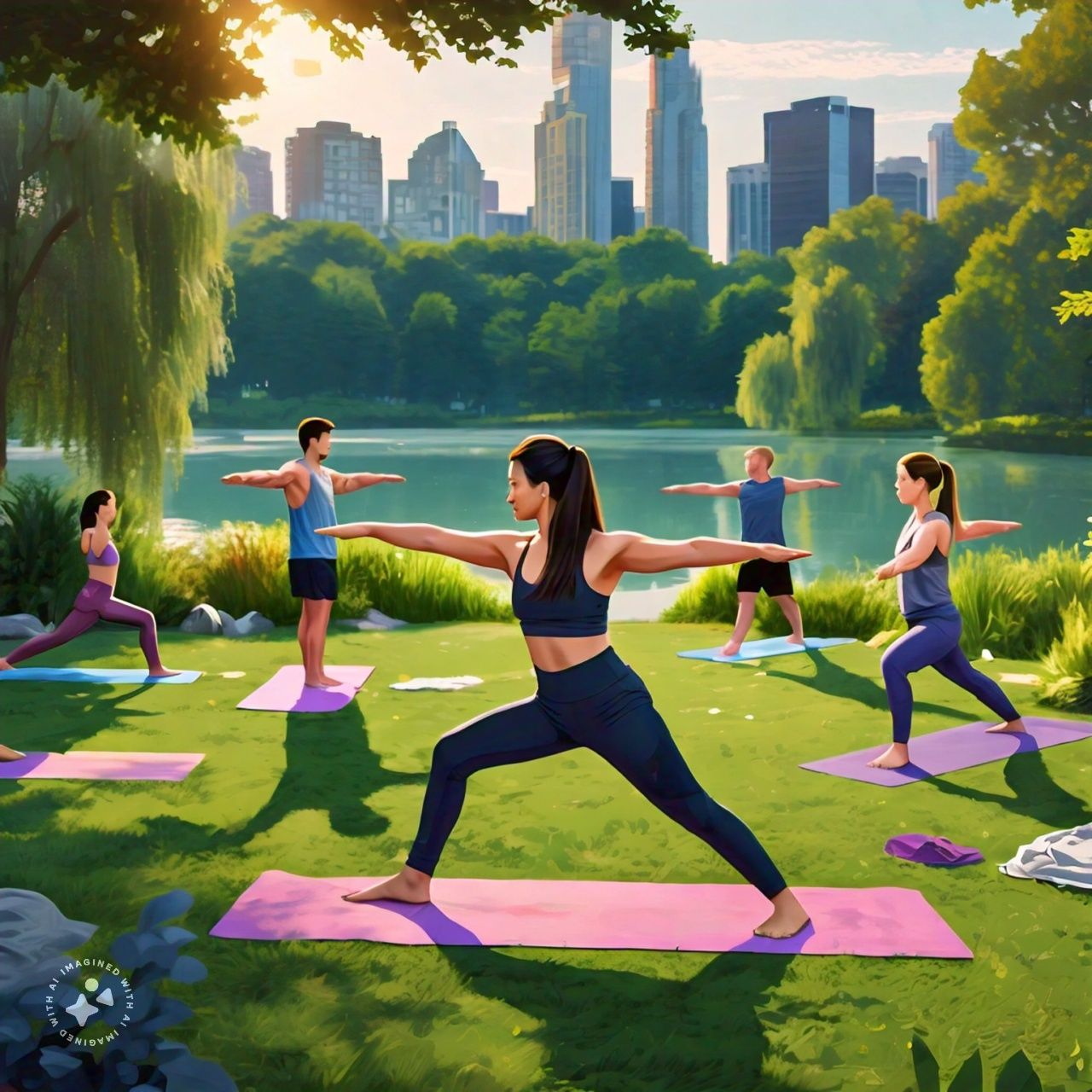
Top 5 Yoga Asanas to Ease Chronic Low Back Pain: SUNDAY MIRROR
Chronic back pain has become a health hazard in present times. The magnitude of the problem is increasing day by day. Poor lifestyle, prolonged stress, decrease in outdoor activities make future generations more prone to chronic pain. Almost everyone has back pain at some time in their life. Often, the exact cause of the pain cannot be found.
Symptoms may include any of the following:
- Dull Aching Pain
- Sharp Pain
- Tingling or Burning Sensation
- Weakness in your Legs or Feet
Low back pain can differ from person to person. The pain may be mild, or it can be so severe that you cannot move.
Except for medical and surgical treatment, some yoga asanas can prevent lower back pain. The primary objective is to stretch the spine extensors and strengthen them to prevent tightness and spasms.
Trikonasana (Triangle Pose):

Trikonasana, also called triangle pose, is a foundational standing pose in yoga that strengthens and lengthens the hamstrings and groin while also opening the shoulders and stretching the hips along with muscles of the abdomen and thorax. It’s named for the triangle shape your body makes as you bring your bottom hand to the floor and keep your feet grounded during the move.
Trikonasana carries a few benefits for your spine:
1. Increases stability
2. Stretches and lengthens the spine.
3. Opens the hips and shoulders.
Setubandhasan (Bridge Pose):

The name originates from the Sanskrit words setu meaning bridge, bandha meaning lock, and asana meaning pose. Hence the name setu bandhasana or the bridge pose. The name comes from the bridge-resembling posture of this asana.
Benefits for your spine:
1: Stretch back muscle
2: Increase the strength of the paraspinal muscle
3: Helps in decreasing spinal pain
Bhujangasan (Cobra Pose) :

Bhujangasana (Cobra Pose) is a heart-opening backbend that allows you to stretch your entire upper body. You can adjust the intensity of the backbend by straightening or bending your elbows to suit your needs.
Benefits to the spine:
1: Extension of whole spine
2: Strengthening spinal muscle
3: Opening of the spine and facet joint
Bitilasan (Cow Pose) :

Bitilasana, commonly known as Cow Pose, is a fundamental yoga posture that involves arching the back while on all fours, mimicking the gentle curve of a cow’s back. This pose is often paired with Marjaryasana (Cat Pose) in a flowing sequence to promote spinal flexibility and relieve tension. By encouraging the spine to move through its full range of motion, Bitilasana helps to gently stretch the front torso and neck, improve posture, and enhance overall spinal health. Practicing Cow Pose regularly can lead to a more aligned and resilient spine, contributing to overall physical well-being.
How Bitilasana Helps the Spine:
- Enhances Spinal Flexibility: Bitilasana promotes a gentle backbend, increasing the flexibility and mobility of the spine.
- Relieves Tension: This pose helps to alleviate tension in the back and neck by stretching the muscles and promoting relaxation.
- Improves Posture: Regular practice of Bitilasana strengthens the muscles supporting the spine, contributing to better posture and spinal alignment.
Badhakonasan (Butterfly Pose):

Badhakonasana, also known as the Butterfly Pose, is a fundamental yoga asana that involves sitting with your feet pressed together and knees dropped to the sides, resembling a butterfly’s wings. This pose is excellent for stretching the inner thighs, groin, and knees, promoting flexibility and blood circulation in these areas. It also encourages a sense of relaxation and tranquility. Practicing Badhakonasana regularly can enhance your posture, improve digestion, and reduce fatigue. It’s a simple yet effective pose suitable for all levels, making it an essential part of any yoga routine.
How Badhakonasana Helps the Spine:
- Improves Posture: Badhakonasana encourages an upright sitting position, which helps align the spine properly and reduces slouching, promoting a healthy and natural posture.
- Spinal Flexibility: This pose gently stretches the lower back and spine, increasing flexibility and reducing stiffness, which can alleviate tension and discomfort in the spinal region.
- Strengthens Back Muscles: By engaging the core and back muscles to maintain the pose, Badhakonasana helps strengthen these muscles, providing better support to the spine and enhancing overall stability.
Leave a Reply