
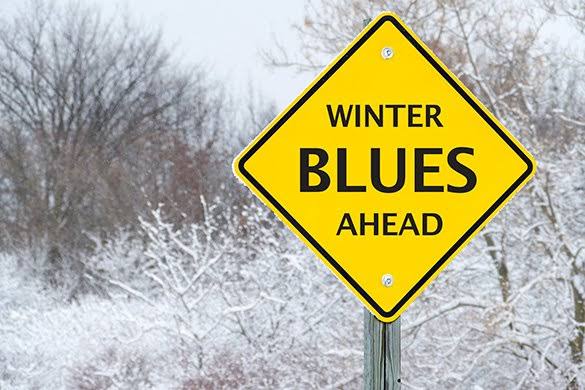
Winter blues, also known as seasonal affective disorder (SAD) or subsyndromal SAD (s-SAD), is a type of seasonal mood disorder that occurs during the winter months. It is characterized by feelings of sadness, lethargy, and social withdrawal, which can be debilitating and affect daily life.

Causes of Winter Blues
The exact causes of winter blues are not fully understood, but several factors contribute to its development:
- Lack of sunlight: Reduced exposure to natural sunlight during the winter months can disrupt the body’s internal clock and lead to feelings of sadness and lethargy.
- Circadian rhythm: The shorter days and longer nights of winter can affect the body’s natural circadian rhythm, leading to feelings of fatigue and lethargy.
- Melatonin levels: The increased production of melatonin, a hormone that regulates sleep-wake cycles, can contribute to feelings of drowsiness and lethargy.
- Genetic predisposition: Some people may be more susceptible to winter blues due to their genetic makeup.
Symptoms of Winter Blues

The symptoms of winter blues can vary in severity and may include:
- Feeling sad, empty, or hopeless: Persistent feelings of sadness, emptiness, or hopelessness that last for most of the day.
- Loss of energy: Feeling lethargic, sluggish, or lacking energy, making it difficult to perform daily tasks.
- Changes in appetite: Increased cravings for carbohydrates, sweets, or other comfort foods, leading to weight gain.
- Social withdrawal: Avoiding social interactions, feeling isolated, or disconnected from others.
- Difficulty concentrating: Trouble focusing, making decisions, or completing tasks due to feelings of fatigue or lethargy.
Treatment and Management

While winter blues can be challenging, there are several treatment options and management strategies that can help alleviate symptoms:
- Light therapy: Exposure to bright light, especially in the morning, can help regulate the body’s internal clock and improve mood.
- Medications: Antidepressant medications, such as selective serotonin reuptake inhibitors (SSRIs), can help manage symptoms of winter blues. High dose vitamin D helps in better outcome.
- Therapy: Cognitive-behavioral therapy (CBT) or interpersonal therapy (IPT) can help individuals develop coping strategies and improve their mental health.
- Lifestyle changes: Engaging in regular exercise, practicing stress management techniques, and maintaining a healthy diet can help alleviate symptoms of winter blues.
If you or someone you know is experiencing symptoms of winter blues, it’s essential to seek professional help from a mental health expert or a healthcare provider.

Happy Sunday
Please read and share for awareness
Leave a Reply