
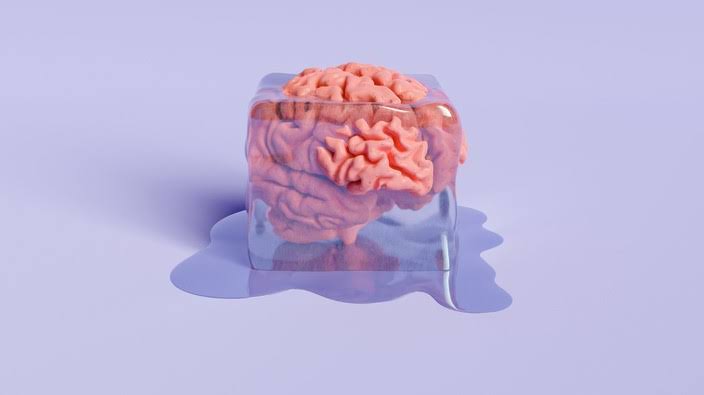
A cold headache, also known as a cold-induced headache or cold-stimulus headache, is a type of headache that occurs in response to cold temperatures or cold stimuli. This type of headache is usually felt on both sides of the head and can range from mild to severe. It is a very common phenomenon in winter. It’s a preventable phenomenon in chilling temperatures. Many times even doctors think of it as a migraine or tension type of headache.

Causes of Cold Headaches
Cold air: Breathing in cold air can cause blood vessels in the head to constrict, leading to pain. If you got up in winter and suddenly came outside of your house and you felt an intense headache then you are suffering from it.
Cold foods and drinks: Consuming cold foods and drinks, such as ice cream or cold beverages, can cause blood vessels in the head to constrict. It can suddenly cause intense headaches.
Cold temperatures: Exposure to cold temperatures, such as in cold weather or cold water, can cause blood vessels in the head to constrict.
Sinus congestion: Cold air can also cause sinus pressure and congestion, leading to headache and facial pain.
Cold allergies: Excessive cold is an allergen for some people. It is also a trigger for migraine headache. That’s why those conditions sometimes exacerbate the cold headache.
Symptoms of Cold Headaches
Pain on both sides of the head: Cold headaches are usually felt on both sides of the head, rather than on one side. It is like a piercing pain.
Mild to severe pain: The pain can range from mild to severe and can be described as a dull ache or a sharp, stabbing pain.
Short duration: Cold headaches are usually short-lived, lasting from a few minutes to a few hours.
How to Get Rid of a Cold Headache
Warm up: Warm up your body and head by taking a warm shower or bath, or by drinking a warm beverage.
Use a warm compress: Apply a warm compress to your forehead or neck to help relax blood vessels and relieve pain.
Stay hydrated: Drink plenty of fluids to stay hydrated and help your body regulate its temperature.
Avoid cold stimuli: Avoid exposure to cold temperatures, cold foods and drinks, and cold air.
Over-the-counter pain relief: If your headache is severe, you can try taking an over-the-counter pain reliever such as ibuprofen or acetaminophen.
Rest: If your headache is accompanied by fatigue or exhaustion, try resting and relaxing to help your body recover.
Prevention
Dress warmly: Wear warm clothing, including a hat and gloves, when going outside in cold weather.
Avoid cold foods and drinks: Avoid consuming cold foods and drinks, especially if you are prone to cold headaches.
Stay hydrated: Drink plenty of fluids to stay hydrated and help your body regulate its temperature.
Manage stress: Stress can exacerbate cold headaches, so try to manage stress through relaxation techniques such as meditation or deep breathing.
If a cold headache is bothering you much, visit a neurologist and get treatment for it and try to prevent it.
Happy Sunday
Please spread the awareness.
(The phenomenon of the brain freeze in the next Sunday mirror)
Leave a Reply