
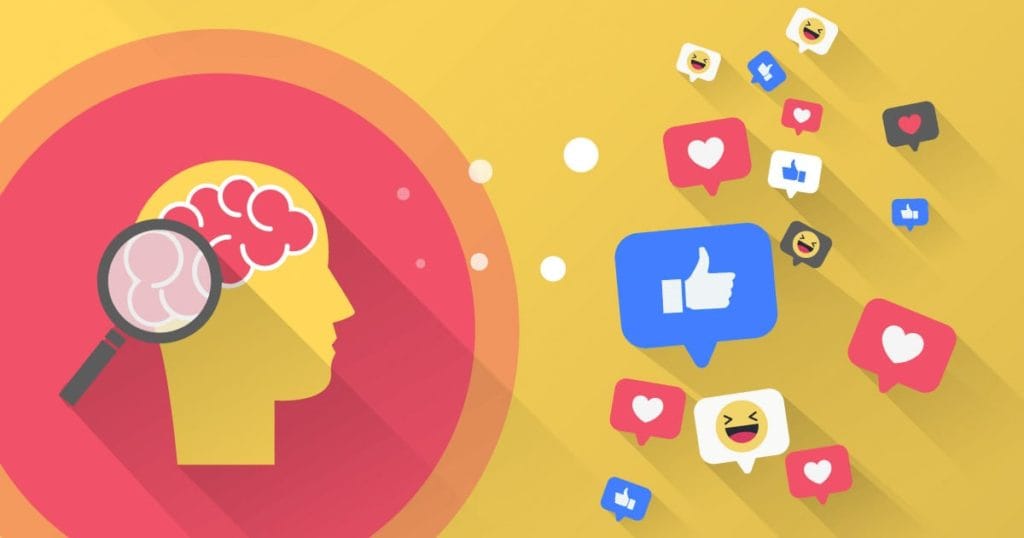
Social media has changed the meaning of life. It has become the greatest factor in every strata of society. Social media’s impact on the developing brain is complex and multifaceted. Here’s a comprehensive overview:

Cognitive Effects
- Attention span: Reduced attention span due to constant notifications and distractions. If you regularly use FB or any other media you will face difficulty in concentration for a long time.
- Memory: Impaired working memory and decreased ability to recall information. As attention decreases memory will also decrease as a bonus disability.
- Processing speed: Slower processing speed due to constant switching between tasks. As focus decreases completion of a task will be hampered. It will lead to slowness in doing any work.
- Executive function: Impaired decision-making, planning, and problem-solving skills. Less attentiveness causes delay in executive functioning.
Emotional and Social Effects

- Social comparison: Unhealthy comparisons leading to decreased self-esteem and increased anxiety. Unrealistic expectations in every field hurts mood in daily life.
- Social isolation: Feeling connected yet lonely due to lack of meaningful interactions. Virtual praise and accomplishments never help in real life.
- Emotional regulation: Difficulty managing emotions, leading to increased stress and anxiety.
- Empathy: Reduced empathy due to decreased face-to-face interactions.
Neuroplasticity and Brain Structure

- Rewiring: Social media can rewire the brain’s reward system, releasing dopamine and encouraging addictive behavior. It acts like alcohol or any other addiction. After it normal life feels like a deficiency and a person needs regular rewards to be content.
- Gray matter reduction: Reduced gray matter in areas responsible for attention, emotion regulation, and memory. It leads to further decrease in cognitive behavior.
- White matter changes: Altered white matter tracts affecting communication between brain regions.
Mental Health Concerns
- Anxiety: Increased symptoms of anxiety, particularly social anxiety.
- Depression: Higher risk of depression, especially in adolescents.
- Sleep disturbances: Disrupted sleep patterns due to screen time before bed.
Age-Specific Effects
- Children (8-12): Increased risk of addiction, social comparison, and decreased physical activity.
- Teenagers (13-18): Heightened emotional sensitivity, social pressure, and decreased self-esteem.
- Young adults (19-25): Increased risk of anxiety, depression, and sleep disturbances.
How to counter the negative effects?
- Set boundaries: Establish screen-free zones and times.
- Encourage physical activity: Promote outdoor play and exercise.
- Foster face-to-face interactions: Prioritize socializing and community engagement.
- Monitor usage: Track screen time and set limits.
- Educate: Teach digital literacy, online safety, and media literacy.
- Promote mindfulness: Encourage mindfulness practices, such as meditation and deep breathing.
References
- Twenge, J. M., et al. (2018). Changes in adolescent social media use and mental health. Psychological Science.
- Kuss, D. J., et al. (2018). Problematic social media use. International Journal of Mental Health and Addiction.
- Burke, M., et al. (2010). Social network activity and social well-being. Computers in Human Behavior.
- Best, P., et al. (2014). The impact of social media on children. Journal of Applied Developmental Psychology.
- American Academy of Pediatrics. (2018). Media use in school-aged children and adolescents. Pediatrics.
Leave a Reply