
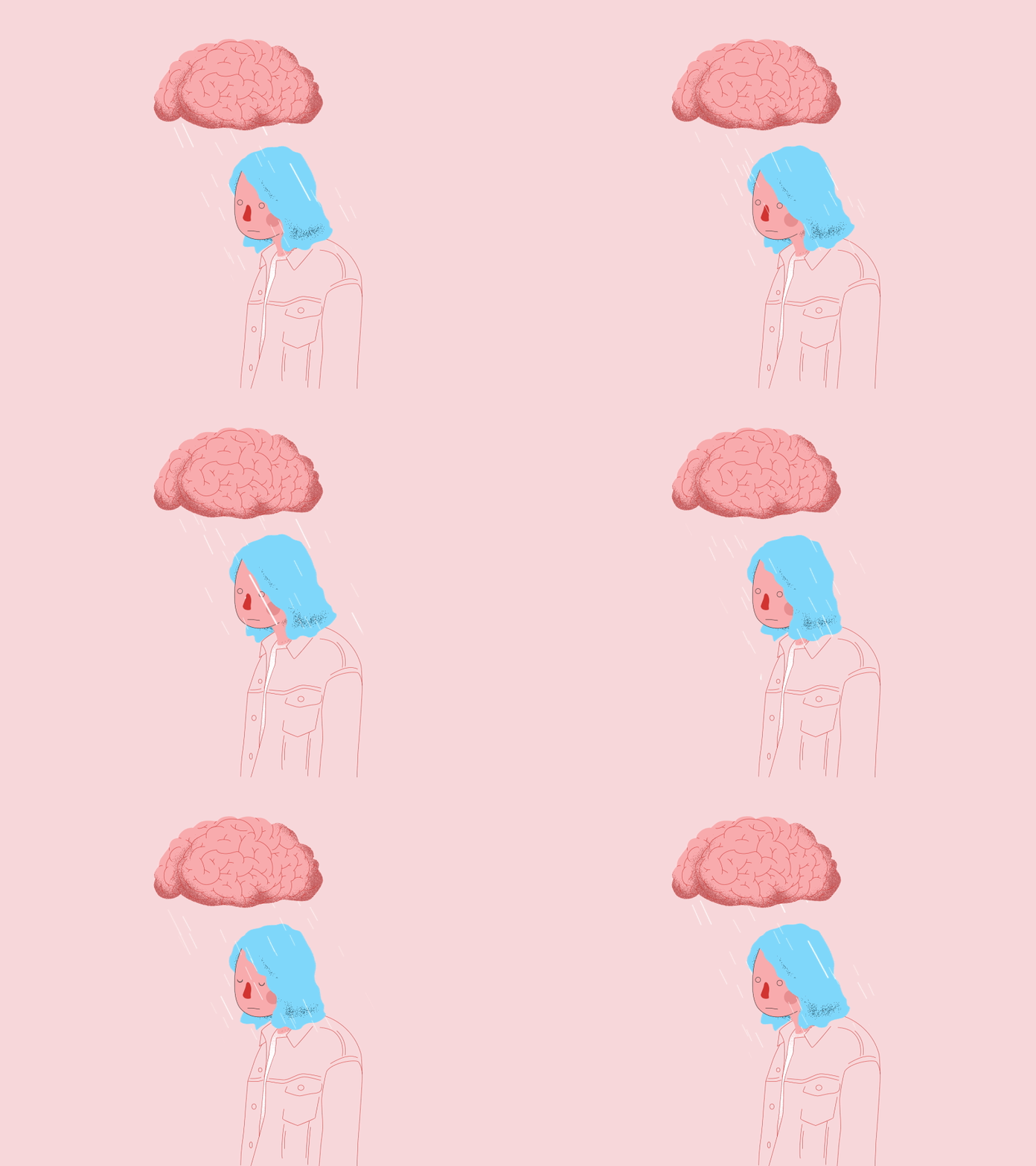

Every October, communities across the world pause to shine a light on an invisible but essential part of our well-being: mental health.
This month is more than just a calendar event — it’s a call to compassion, conversation, and care.
Why Mental Health Awareness Matters
- Silent struggle is real. Many people battling anxiety, depression, or other conditions never speak about it due to stigma or fear.
- We all have mental health. Just like physical health, it fluctuates — we all need rest, support, and care sometimes.
- Early help saves lives. Recognizing signs and seeking help early can prevent suffering, reduce harm, and restore hope.
- Communities heal together. When we talk openly, support one another, and break stigma — we make it safer for those who suffer to reach out.
What This Month Can Be About — Themes & Focuses
- Open Conversations & Story Sharing
Encourage people to share their mental health journey. A simple “I’m not okay today” can break walls. - Signs & Awareness (Know the Signals)
Teach common signs of distress — mood changes, sleep problems, withdrawal, persistent sadness, irritability, changes in appetite, concentration trouble. - Self-Care & Wellness Practices
Promote tools:- Mindfulness / meditation
- Regular movement / walking
- Sleep hygiene
- Creative expression (art, writing, music)
- Connecting with others
- Support Systems & Help Access
Highlight where people can seek help: crisis hotlines, therapists, peer groups, online counseling.
Emphasize you do not have to face it alone. - Breaking Myths & Reducing Stigma
Correct common misconceptions:- “Mental illness is a weakness.” (No — it’s a health challenge.)
- “You can snap out of it.” (Often not — it takes help.)
- “Only severe cases need treatment.” (All levels deserve care.)
- Empathy & Encouragement
Remind people to check in on friends, offer a listening ear, validate feelings, and just say — “I care about you.”
Supporting Yourself & Others
- Listen without trying to “fix.” Sometimes your presence is already healing.
- Ask gentle questions: “How are you today?” / “Would you like to talk or just sit in silence?”
- Normalize help-seeking. Saying “I’m seeing a therapist” should carry no shame.
- Small acts matter. A text saying “I saw this and thought of you” or “You’re not alone” can shift someone’s day.
Happy october
Please read and share
Leave a Reply